
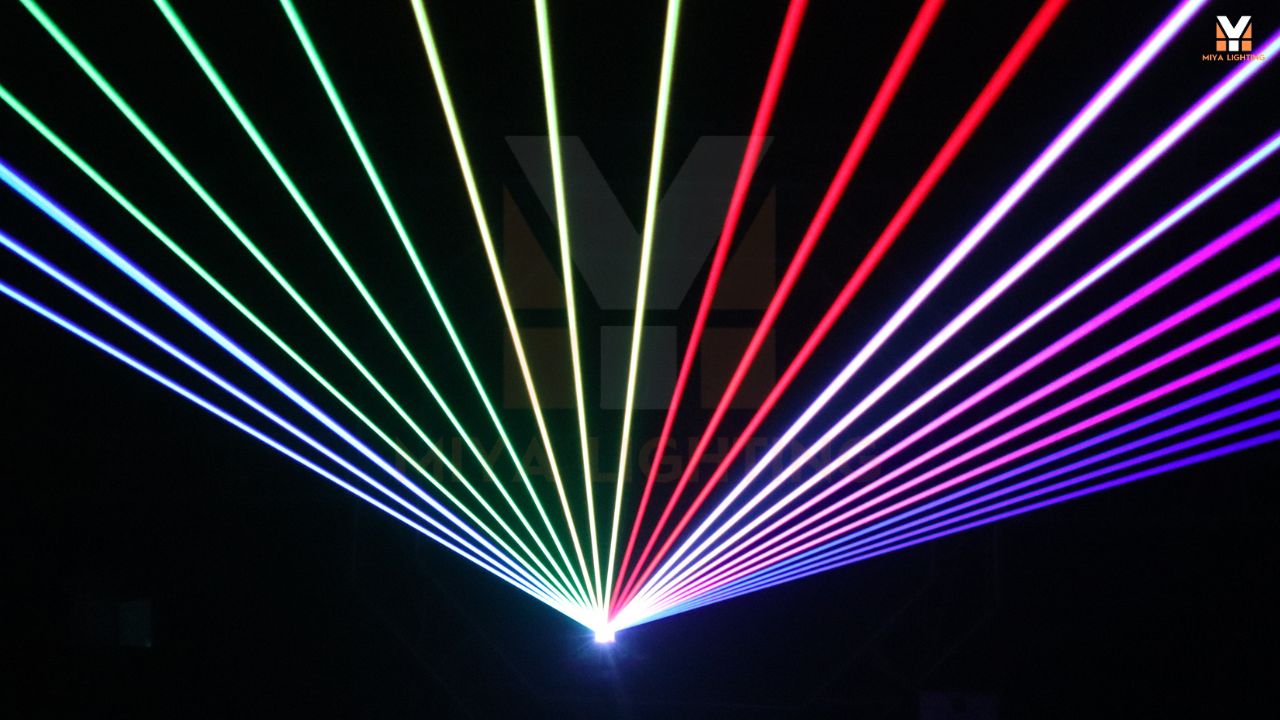
So, you’ve finally decided to upgrade your gig. You want the best laser light setup available, so you invested in a professional MIYA dj laser light, and you are ready to put on a mind-bending laser light show.
But as you unbox that powerful rig, a very common question might pop into your head: “Wait... do I need any special knowledge for operating a show laser display?”
It is a completely fair question. When dealing with equipment that can shoot high-intensity beams hundreds of meters through the air, it feels like you should probably have an engineering degree just to plug it in. The short answer? In a purely physical and technical sense, no. Operating modern equipment is surprisingly intuitive. However, while the operation might be simple, understanding the physics and the safety protocols is absolutely mandatory.
Let’s break down exactly what you need to know, the differences in the gear you are handling, and how to run a spectacular show safely.
Understanding Your Gear: Toys vs. Professional Tools
Before we talk about operation, you need to understand what is actually inside your fixture. The market is flooded with options, and they are not all created equal.
If you just bought a cheap laser light toy for your bedroom, or a small laser light for a backyard house party, those are low-powered Class 3R devices. A mini laser light like that is virtually harmless. But when you step up to a professional stage laser light, the rules change completely.
Modern professional fixtures are usually an rgb laser light system. This means the projector houses separate diode modules that mix together. You have the piercing, ultra-visible beam of a green laser light (which the human eye is most sensitive to), the deep saturation of a red laser light, and the electric, energetic vibe of a blue laser light. When a high-end animation laser light mixes these perfectly, it can even produce a brilliant, pure white laser light.Modern professional fixtures are usually an rgb laser light system. This means the projector houses separate diode modules that mix together. You have the piercing, ultra-visible beam of a green laser light (which the human eye is most sensitive to), the deep saturation of a red laser light, and the electric, energetic vibe of a blue laser light. When a high-end animation laser light mixes these perfectly, it can even produce a brilliant, pure white laser light.
Whether old-school techs call it a laser light box or a modern laser light projector, these devices use high-speed internal mirrors (scanners) to move that intense light so quickly it draws 3D graphics in mid-air. Because they are so concentrated, they require respect.

The Secret to a Stress-Free Upgrade: The MIYA G1 and US Stock
When operators start shopping, they immediately ask about the laser light price and how much wattage they need.
If you are doing a massive, city-wide New Year's Eve landmark display, you might see production companies using a massive 100 watt laser light. But for 99% of clubs, festivals, and mobile DJs, a standard high power laser light is more than enough.
However, when evaluating a powerful laser light price, you aren't just paying for brightness—you are paying for logistics. There is nothing worse than dropping cash on a killer rig for an upcoming gig, only to watch the tracking number sit in overseas customs for a month.
This is exactly why the MIYA G1 10W RGB Animation Laser Light has become the ultimate go-to for event pros. It hits the perfect sweet spot: packing a legitimate 10 watts of stadium-worthy power into a compact shell. But the real game-changer is how you get it.
The MIYA G1 is fully stocked right here in our local US warehouses. What does that mean for you? No unpredictable international customs delays, no surprise import taxes, and absolutely no waiting around. We offer lightning-fast, 100% free shipping directly to your door anywhere in the States. You get premium, gig-ready gear delivered fast, so you can spend your time dialing in your show instead of stressing over tracking updates.

The Reality of Modern Operation: Easier Than Ever
If you search forums for advice on how to run a laser light, laser light controllers, or complex DMX setups, you might get overwhelmed by the technical jargon. Don't panic.
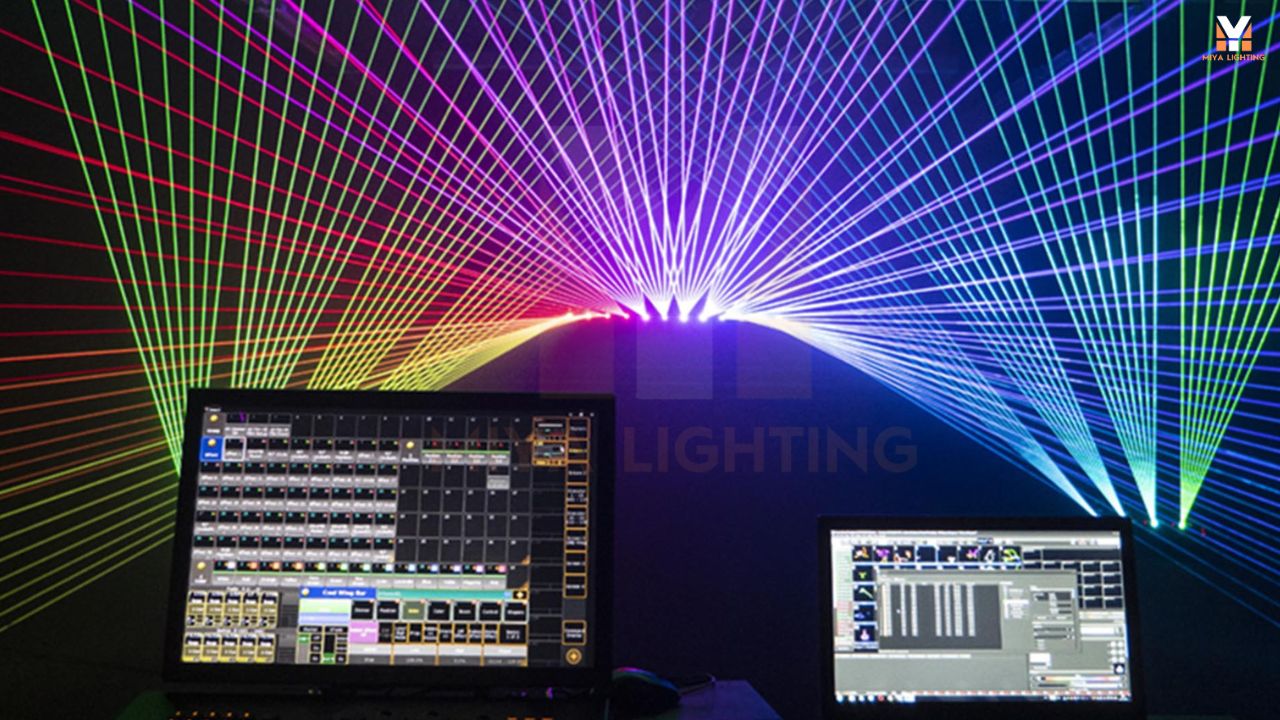
Operating a modern fixture like the MIYA G1 is easier than ever. Years ago, you needed massive water-cooling systems and complex analog boards. Today, the G1 features simple App-based controls where you can literally draw shapes on your smartphone and beam them instantly onto a wall. Even if you step up to professional software like Pangolin QuickShow via ILDA, the interface is highly visual. You can learn the software basics in a single afternoon.

The Danger is Not in the Box; It’s in the Beam
If the software is easy, why do these devices have such an intimidating reputation? It all comes down to physics.
A traditional stage wash light scatters its energy in all directions. A laser light, however, relies on "coherence." All the light waves travel in the exact same direction, tightly bundled together. Because that energy is so hyper-concentrated, those very sharp rays can be dangerous to the human eye or sensitive camera sensors (like cell phones and professional video rigs) if misused. The danger never comes from the machine itself—it always comes from careless operation.
The Golden Rules for a Safe Laser Light Show
The responsibility for safety always lies entirely with the operator. If you respect your local regulations, running a safe, epic show is entirely possible. Here are the core practices every operator must respect:
1. Never "Crowd Scan" with Single Beams
This is the absolute most important rule in the industry. You must never shoot static, single beams directly into the audience's eyes. If you are projecting solid beams, you must aim them safely above the heads of the crowd. The standard rule is to keep the lowest point of any direct beam at least 3 meters (about 10 feet) above the floor where people are standing.
2. Always Have an Emergency Stop (E-Stop)
Live events are unpredictable. You must always use a safety shut-off option (an E-Stop mushroom button). This allows you to instantly kill the power to the projector if someone unexpectedly climbs a speaker truss, enters the safety zone, or if a piece of hardware malfunctions.
3. Keep Minors Away from the Gear
A professional fixture is not a toy. Keep the area around your projectors secure, and keep people under age (or anyone who isn't trained) far away from the hardware.
4. Know Your Local Regulations
The regulation IEC 60825-1 is an internationally recognized standard that provides crucial information regarding safety terms. However, some local municipalities have a deep fear of the "laser mystery" and enforce stricter laws. Familiarize yourself with local regulations before you hit the power switch. In a few specific locations, you might even need a certified Safety Officer on-site.

Conclusion: Respect the Gear, Enjoy the Show
So, do you need special knowledge? You don't need a physics degree to make a MIYA system look incredible. What you do need is common sense, a deep respect for the equipment, and strict adherence to safety protocols. Grab your rig from our US stock, keep the beams high, use your safety stops, and get ready to put on a visual experience your crowd will never forget.

Leave a comment
This site is protected by hCaptcha and the hCaptcha Privacy Policy and Terms of Service apply.